The questions we hear most about autonomous fire suppression, extinguishing agents and where they're used.
What is autonomous, self-activating fire suppression?
Autonomous fire suppression detects and extinguishes a fire on its own - with no electrical power, wiring, detectors or human intervention. Fipron Canarias systems react directly to heat at the source, usually inside an electrical enclosure, battery or connector, and release their extinguishing agent the instant a critical temperature is reached, suppressing the fire in seconds before it can spread.
How does microcapsule fire suppression work?
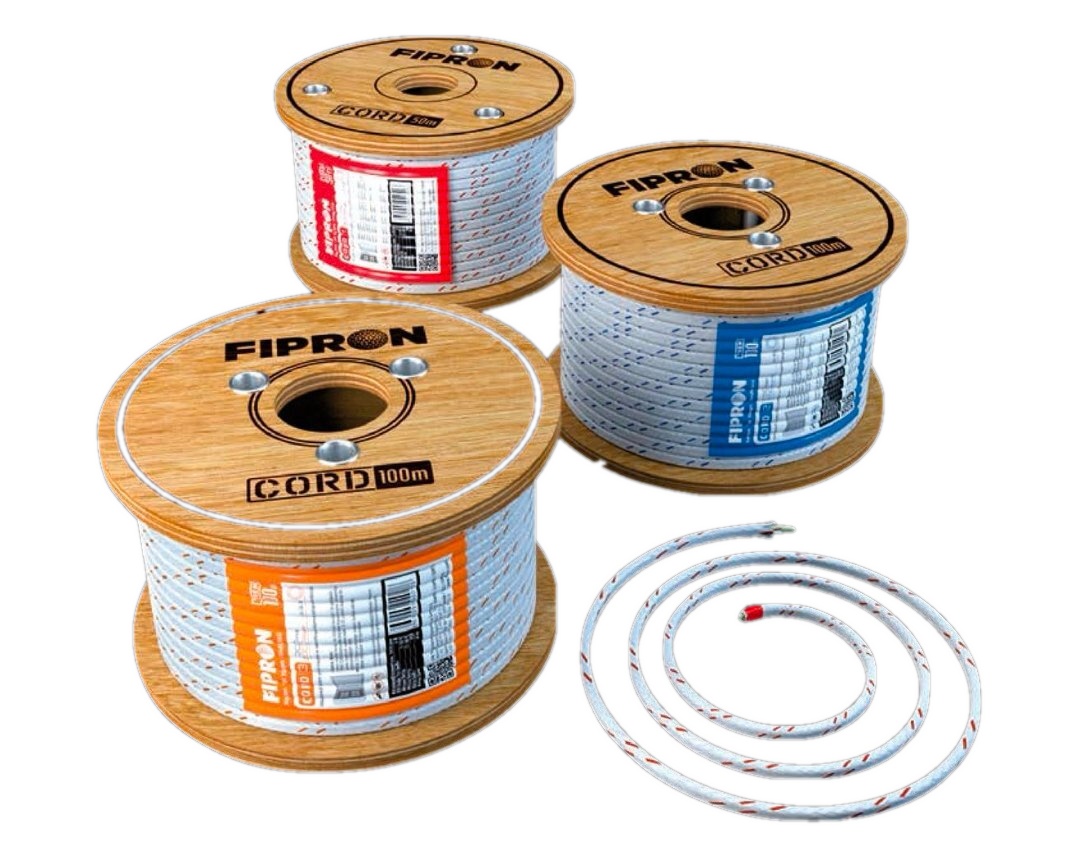
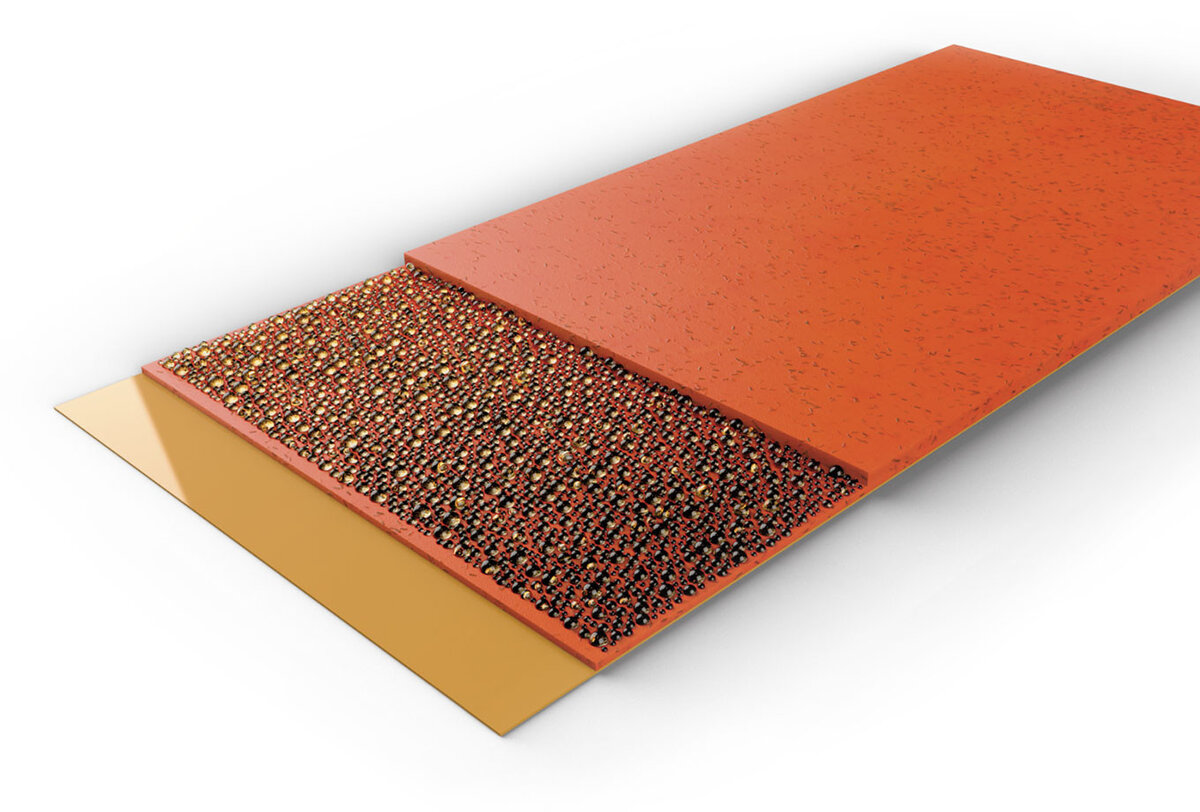
A microcapsule extinguishing agent is held in millions of tiny heat-sensitive capsules built into a self-adhesive sticker, a flexible cord or a sealed module. When the temperature climbs to the activation point - roughly 200 °C for Fipron Cord and 120 °C for Fipron Sticker - the capsules burst and release a clean, environmentally safe agent exactly where the fire starts, stopping it at the source and preventing re-ignition.
Can these systems help suppress lithium-ion battery and EV fires?
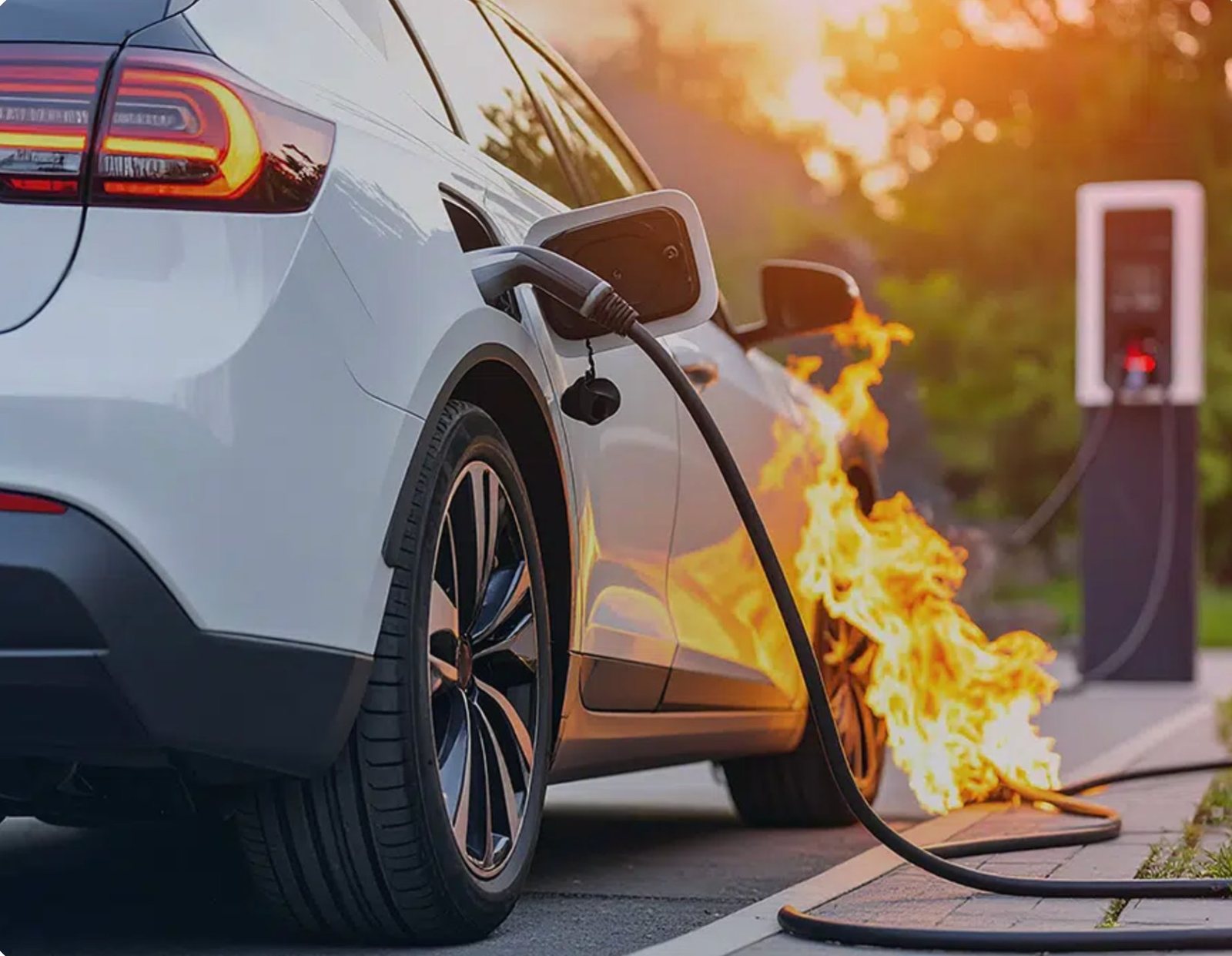
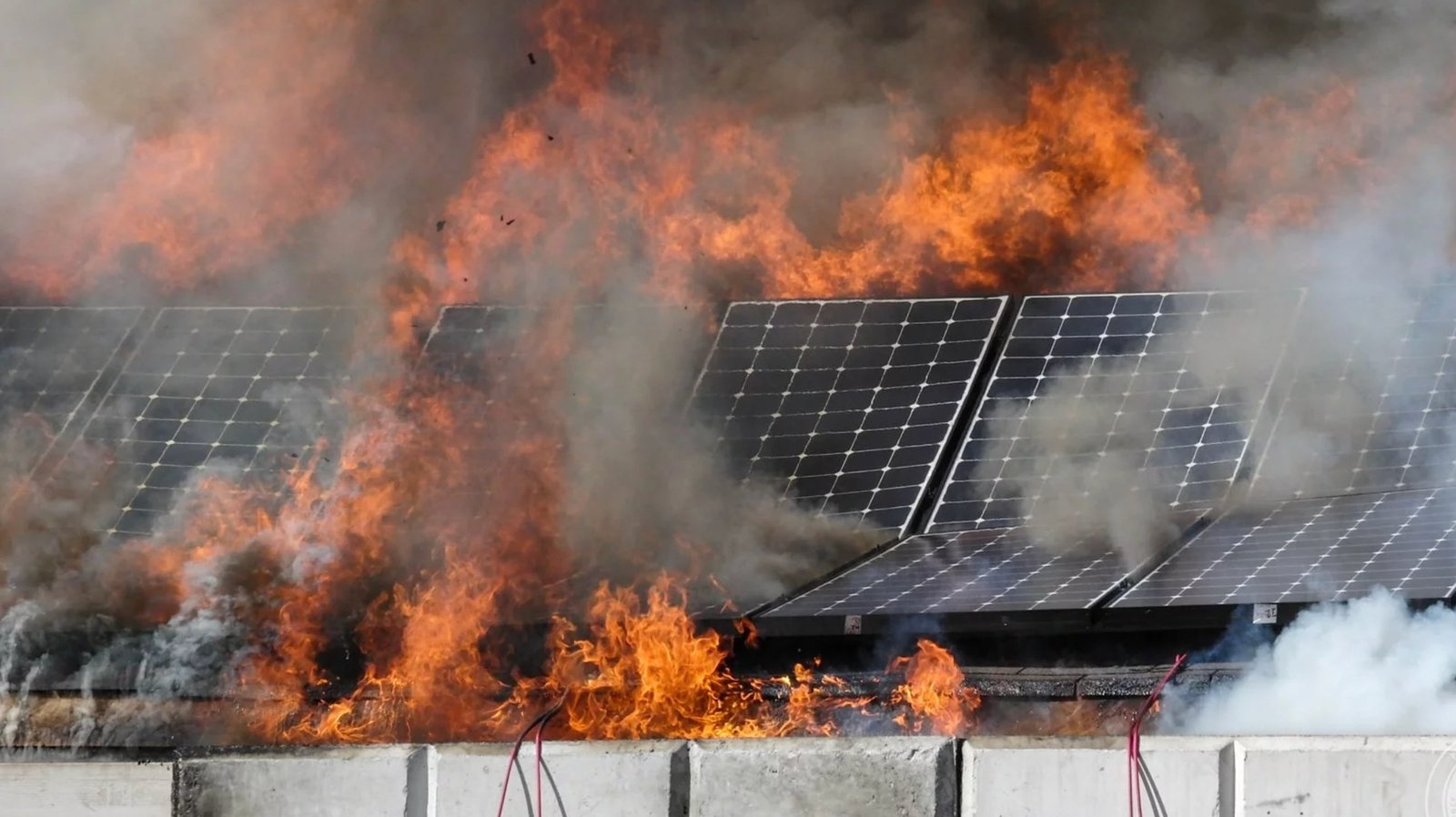
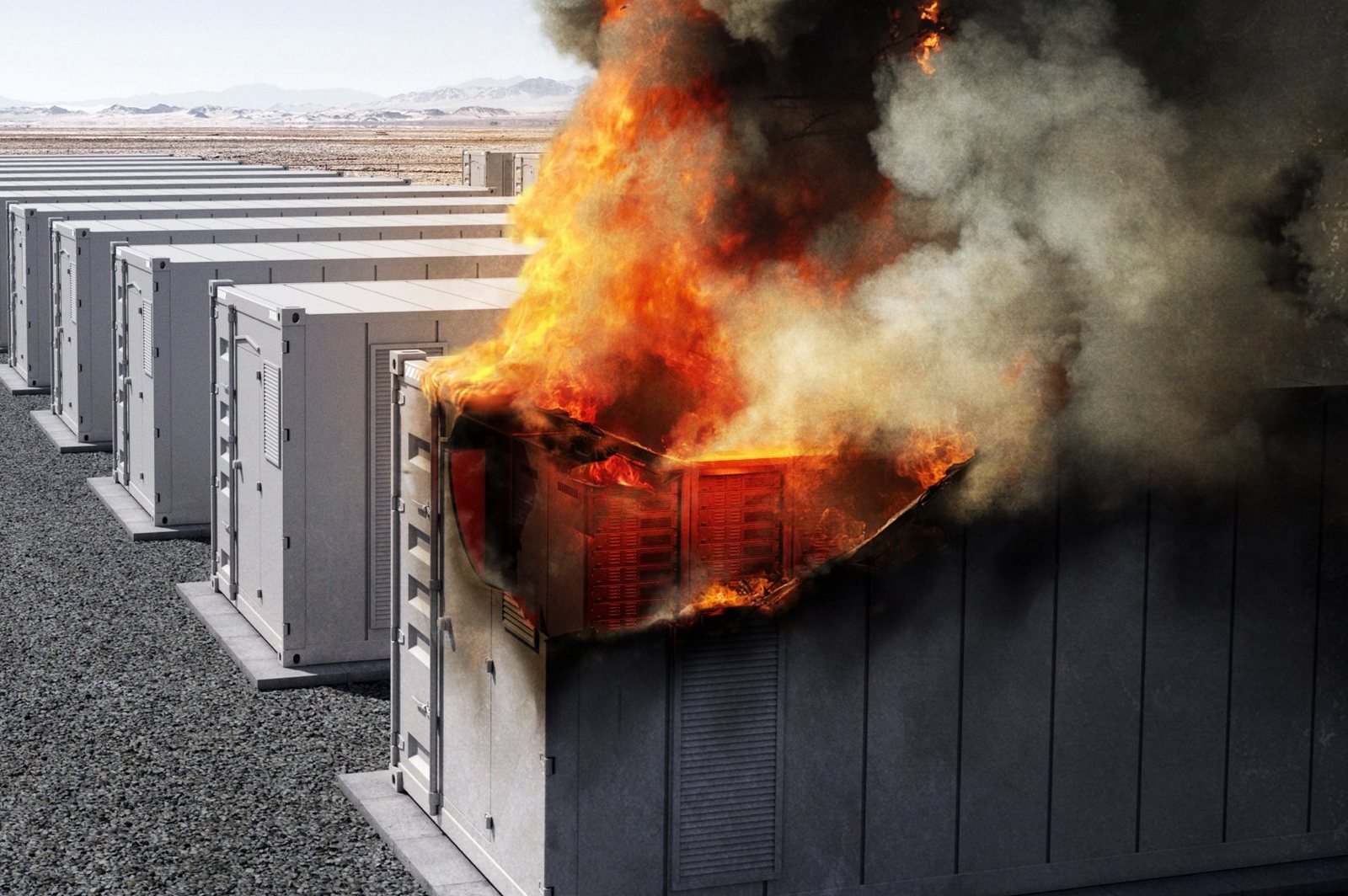
Yes. Fipron Canarias solutions are designed for the electrical and energy-storage equipment where lithium-ion thermal runaway begins - battery packs, BESS cabinets, EV components and solar PV connectors. By suppressing heat and flame at the source the moment they appear, they help interrupt thermal runaway early, when a fire is easiest to control.
Are condensed-aerosol fire suppression systems safe for occupied spaces?
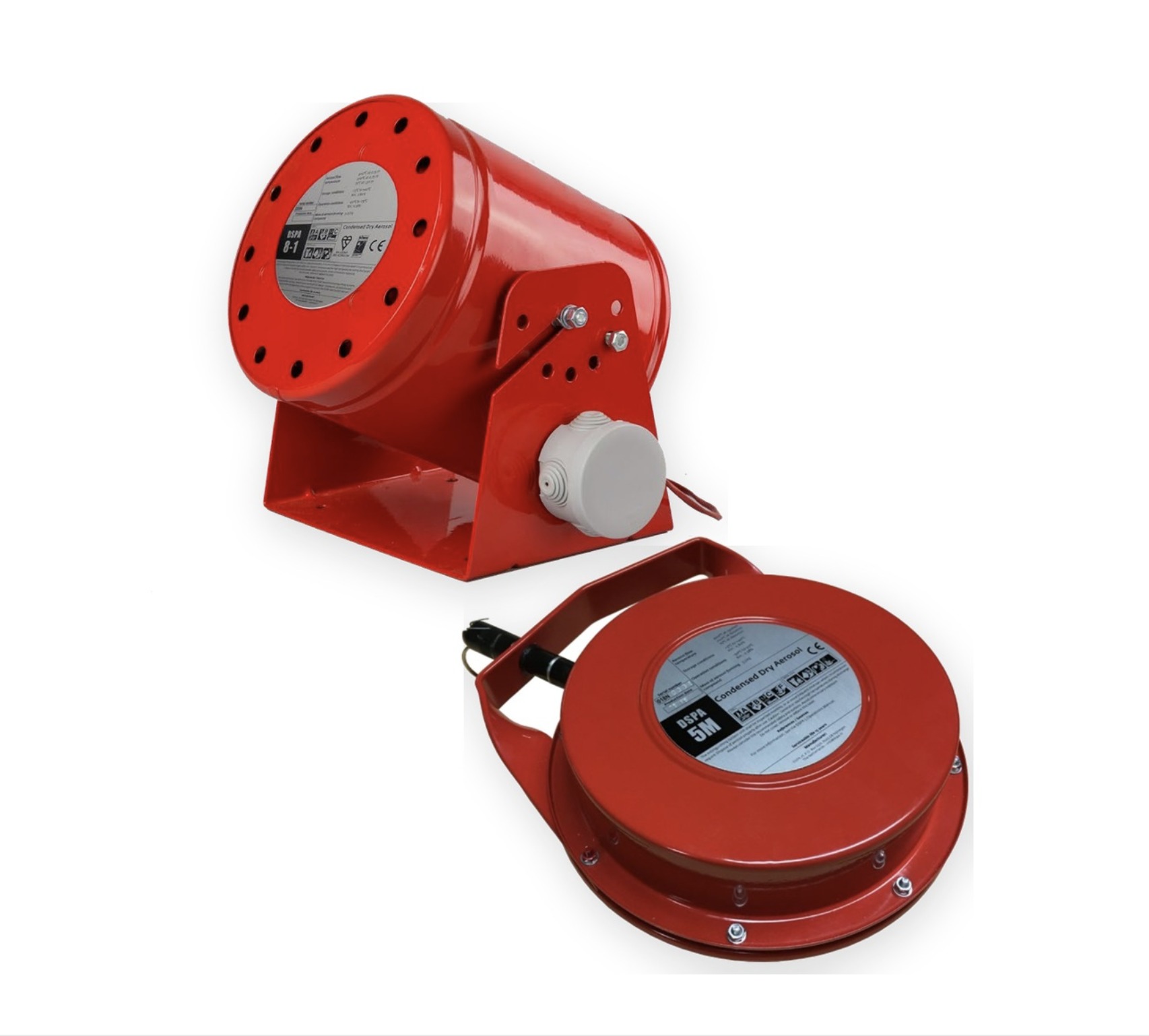
Fipron Canarias condensed-aerosol generators suppress fire by chemically interrupting combustion rather than removing oxygen, so they do not deplete breathable air or create overpressure. The agent is non-toxic, with zero ozone-depletion potential (ODP 0) and zero global-warming potential (GWP 0). With a 30-second pre-alarm, aerosol units can protect occupied spaces as well as unoccupied rooms.
Do Fipron Canarias systems need power, wiring or maintenance?
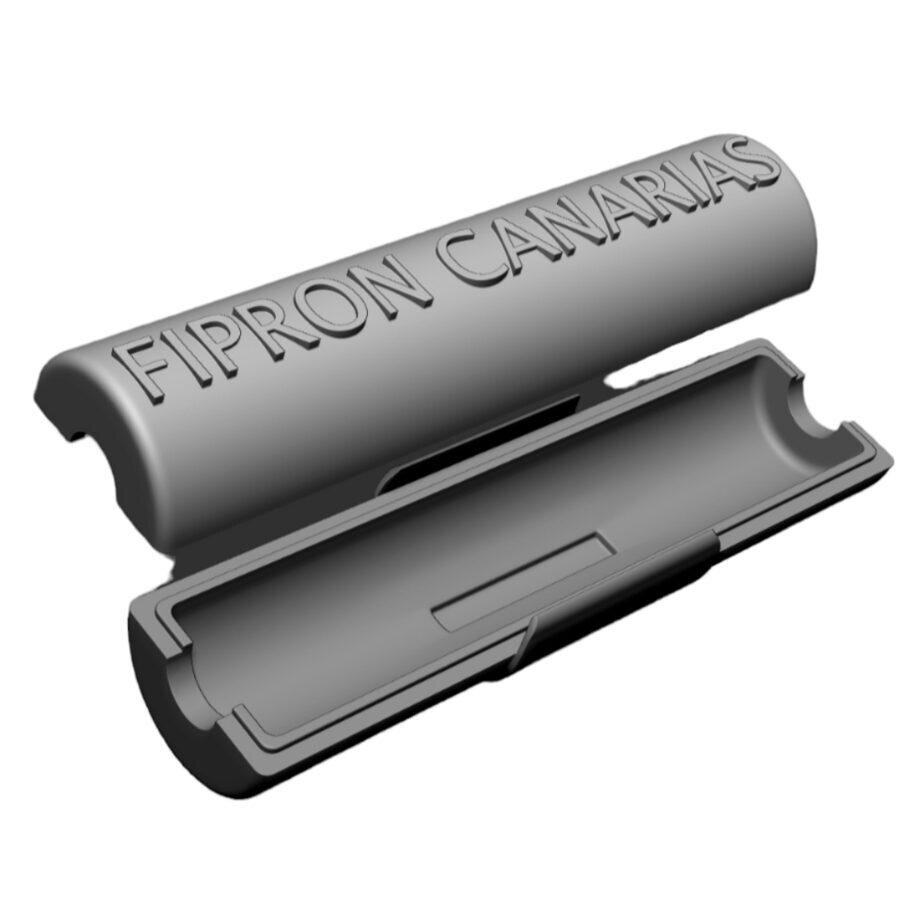
No. The Fipron Canarias Sticker, Cord and Box are fully passive - no power supply, no wiring, no detectors and no maintenance. They are fitted once and stand by for years, ready to act the moment a fire begins, with a typical 5-year service life (10 years for the MC4 Box module).
Which fire classes do Fipron Canarias systems extinguish?
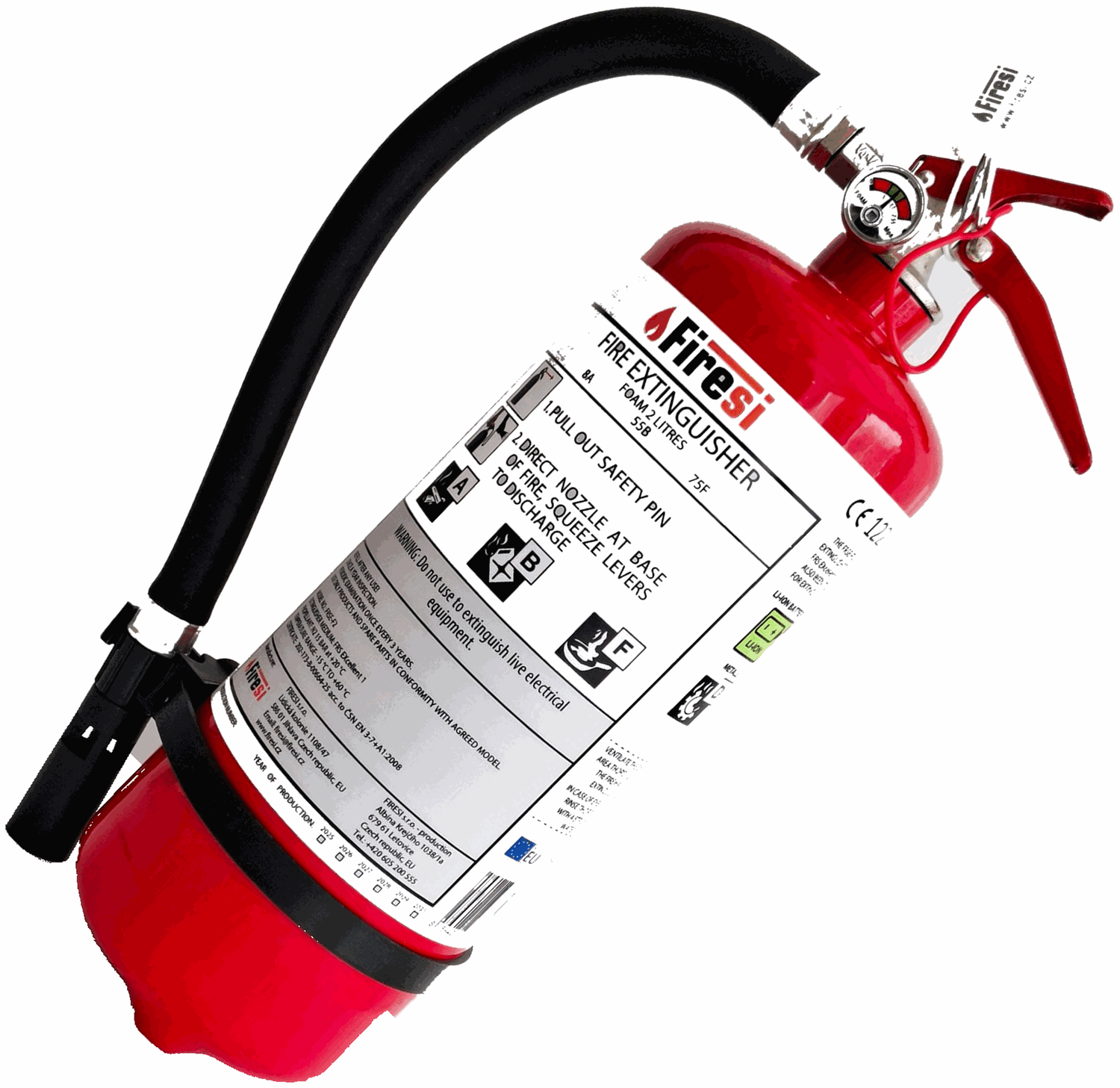
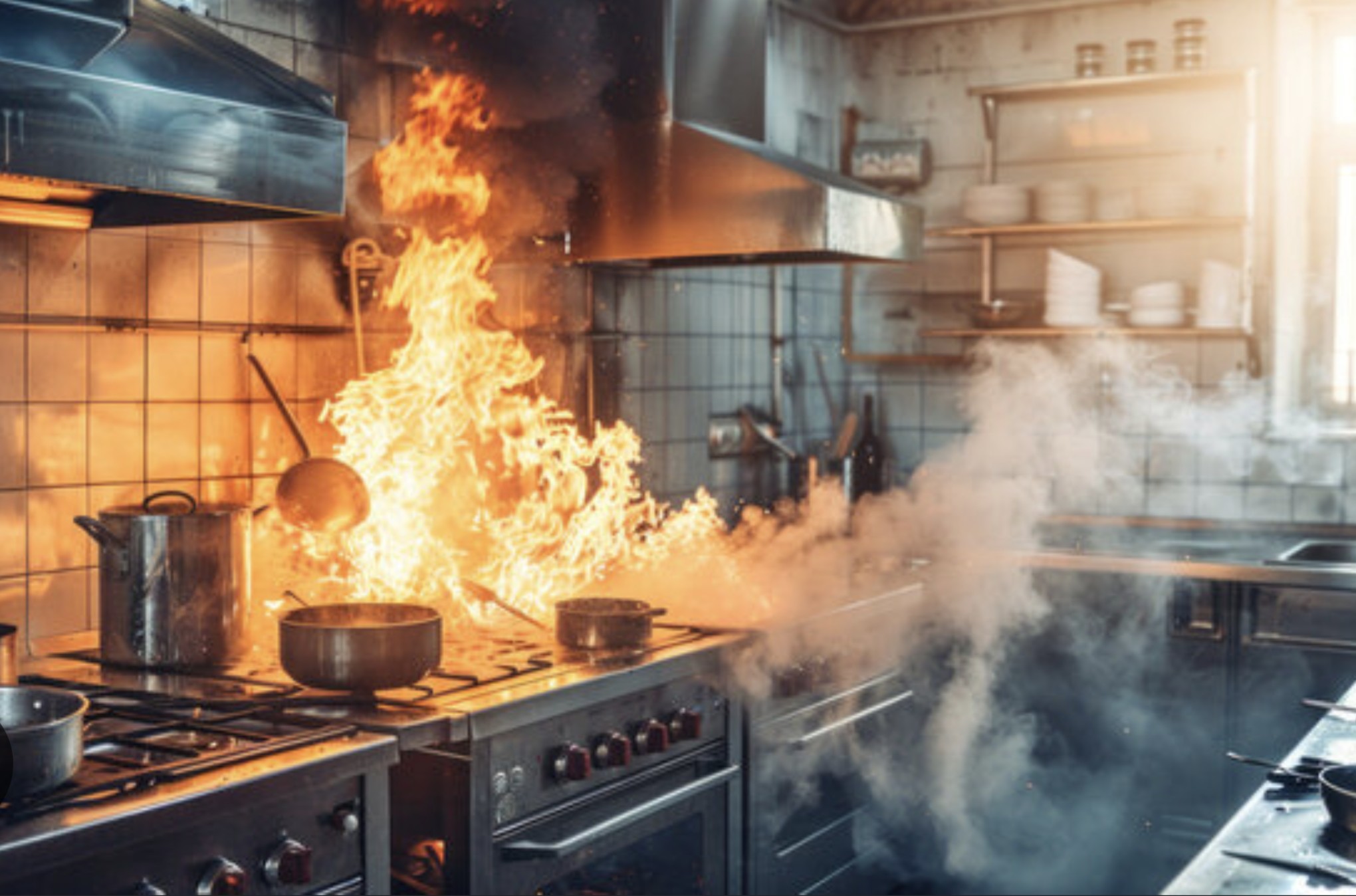
Fipron Canarias covers the complete spectrum of fire classes - A, B, C, D, E, F and L. Class A involves solid combustibles such as wood, paper, textiles, plastics and rubber. Class B covers flammable liquids including petrol, diesel, fuel oil and solvents. Class C covers flammable gases such as propane, butane and natural gas. Class D covers combustible metals including magnesium, aluminium, titanium and sodium. Class E covers fires in live electrical equipment and energised installations - panels, switchgear, sockets and connectors. Class F covers cooking oils and fats in commercial and domestic kitchens (designated Class K in the United States). Class L is the newest classification and covers lithium battery fires, including thermal runaway in lithium-ion cells, EV packs and BESS installations, which conventional agents cannot reliably halt. Across the Fipron Canarias range there is a suppression solution for every one of these classes - see the Fire Classes page for the full breakdown.
What is FRS FOG-IA and what does it protect?
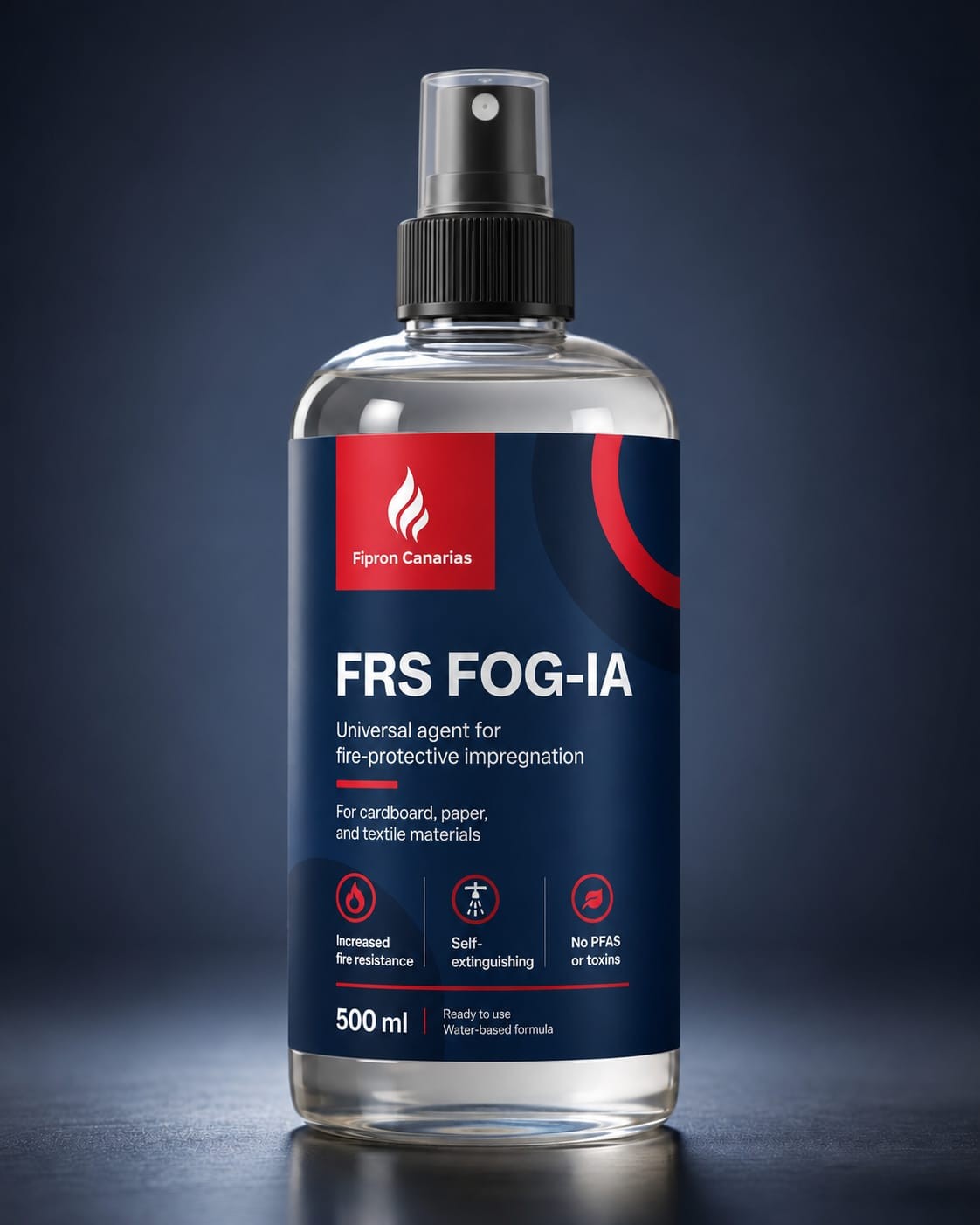
FRS FOG-IA is a PFAS-free, water-based fire-protective impregnation. Applied by spray or immersion, it soaks into absorbent materials and makes them self-extinguishing and much harder to ignite. Its primary use is impregnating firefighter uniforms, protective clothing and textiles - an extra barrier against sparks, tracer rounds, hot fragments and open flame that lasts for the service life of the garment. The same agent also protects cardboard, paper and packaging for fire-safe storage and transport. It is non-toxic, permanent once dry, and applied to outer layers only.
Where can Fipron Canarias fire suppression be installed?
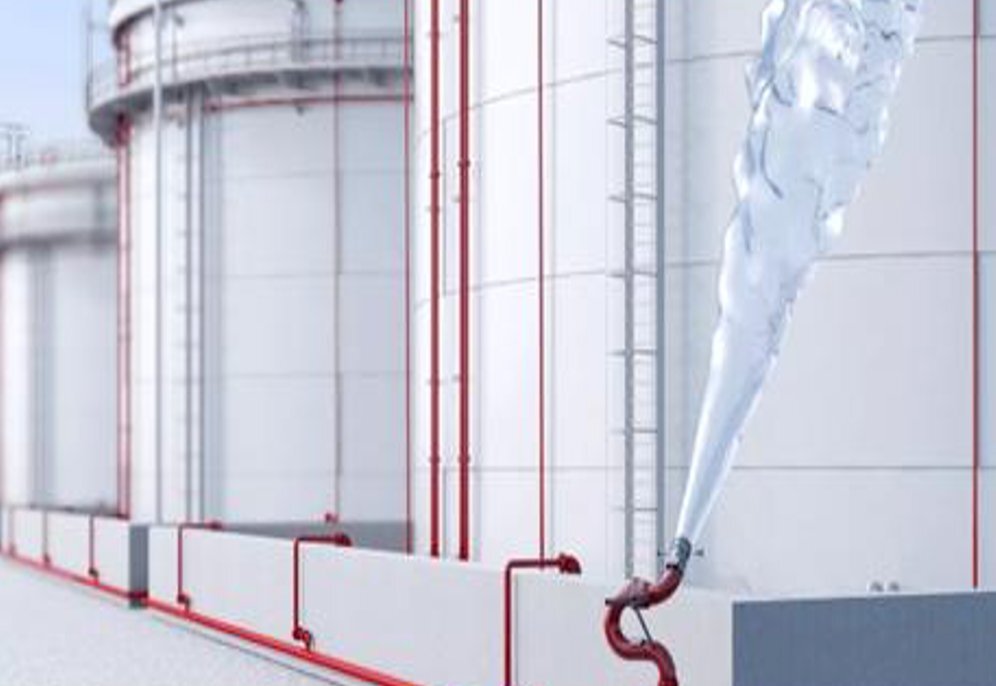
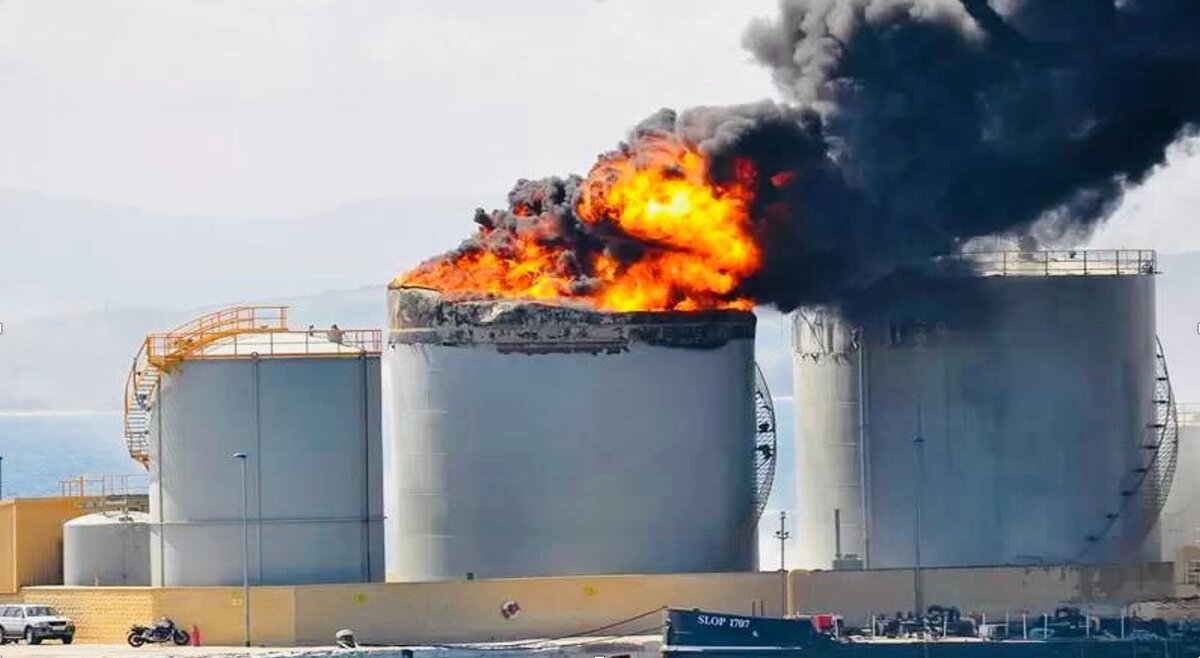
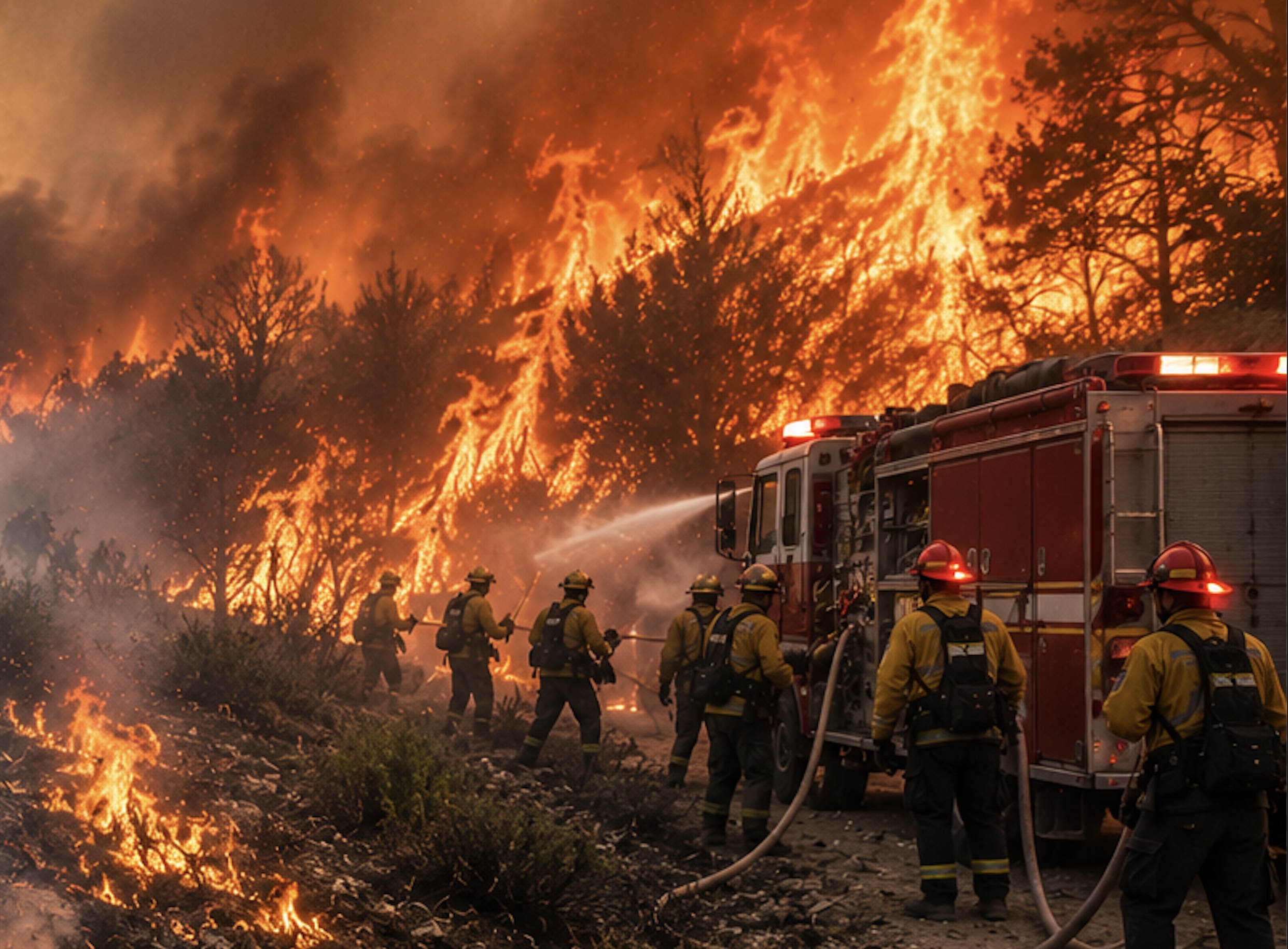
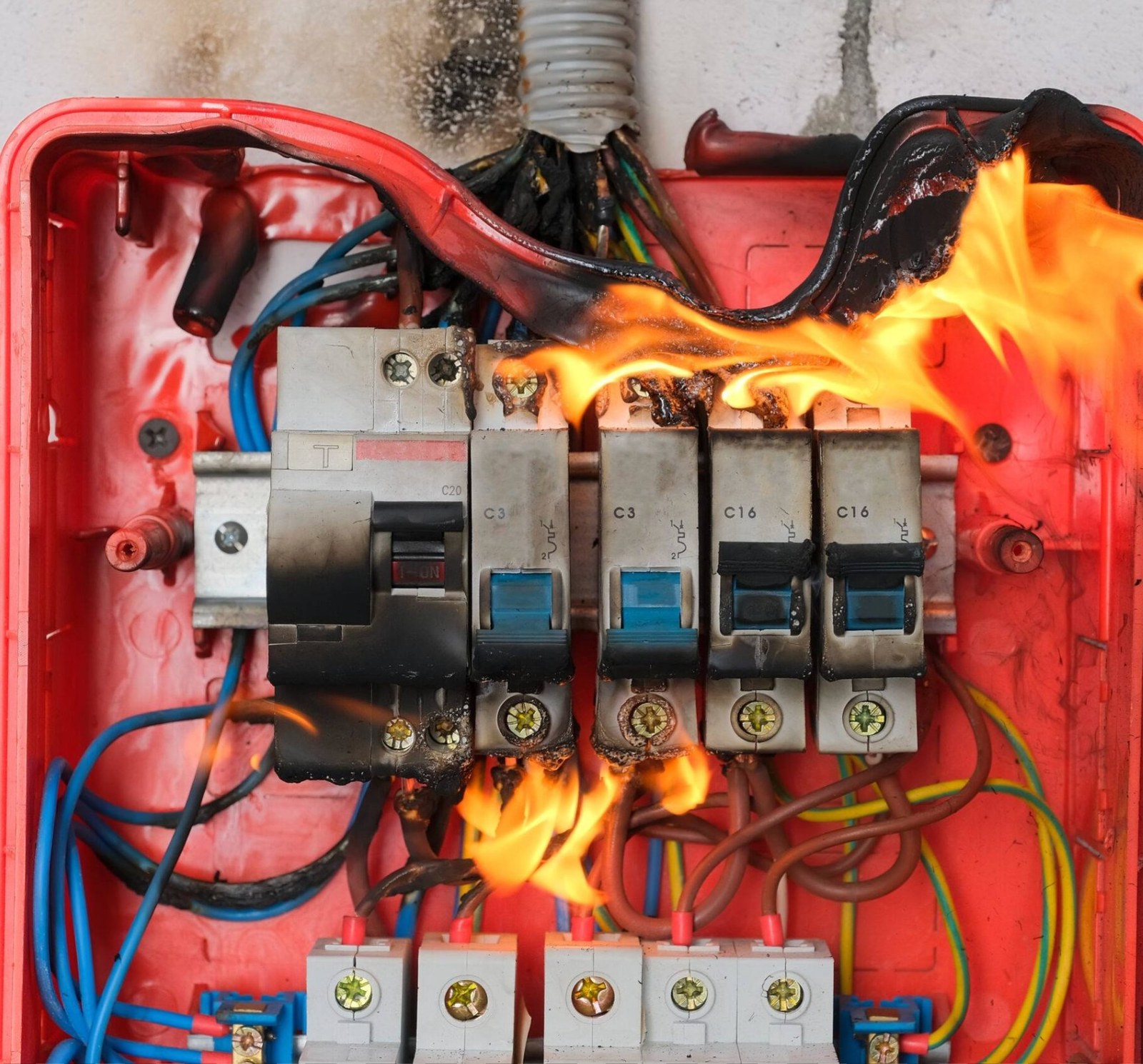
Typical applications include electrical panels and distribution boxes, switchgear, sockets and junction boxes, solar PV MC4 connectors, lithium-ion battery and BESS enclosures, EV equipment, server and technical rooms, archives, fuel storage and marine firefighting - anywhere a fire can start in a confined or electrical space.
Are Fipron Canarias systems certified and approved in the UAE?
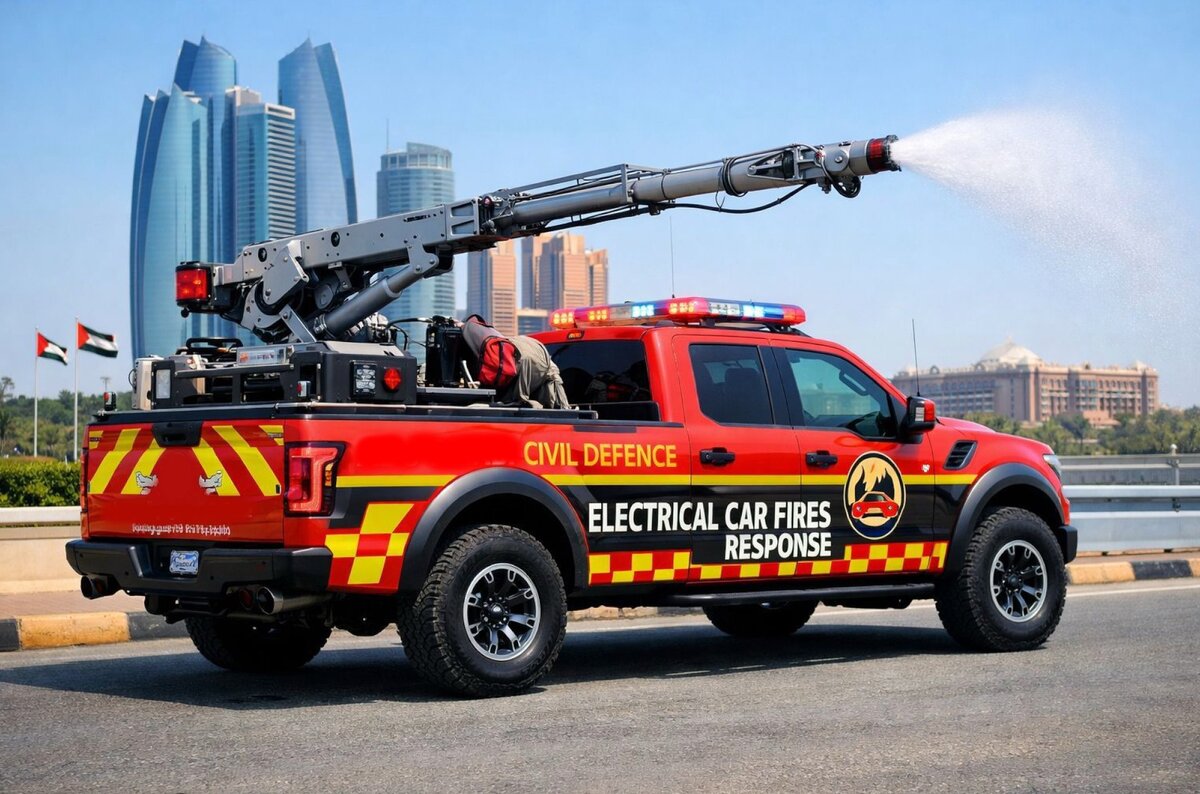
Yes. Fipron Canarias products hold MOIAT approval (ECAS Certificate of Conformity) for the UAE market, tested by the accredited EU laboratory SZU (NB 1015) and RoHS compliant. The aerosol range additionally meets EN 15276-1, ISO 15779, UL 2775 and BRL K23001, and is EPA SNAP-listed. Fipron Canarias supplies across the UAE, the wider GCC and 35+ countries.